
Prevention and lifestyle
Sunlight, screens, smoking, diet, sport and work: the habits that matter for your eyes, according to the evidence.
-

Sport and eyes: the most common injuries and how to prevent them
A shuttlecock full in the face, a squash ball, a football kicked from close range: eye injuries in sport are frequent and largely avoidable. What studies…
-
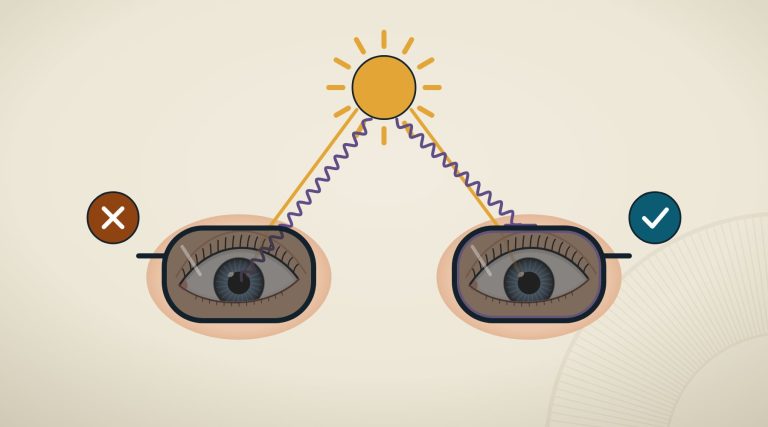
Sunglasses: categories, UV filters and polarised lenses, and what really protects
A dark lens is not necessarily a lens that filters ultraviolet rays. What studies say about the sun and the eyes, how to read the categories…
-

Coloured and cosmetic contact lenses: the risks
They change eye colour for a party or a photo, but they are still contact lenses. What studies have found about corneal infections in people who…
-

Contact lenses, showers and swimming pools: the Acanthamoeba risk
An amoeba that lives in tap water and in swimming pools can infect the cornea of people who wear contact lenses. It is a rare infection…
-
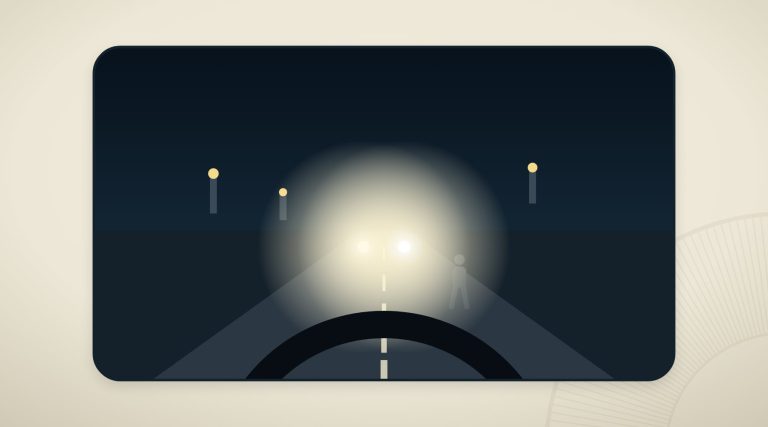
Seeing badly at night and driving in the dark: glare and night blindness
Dazzling headlights, road signs that appear at the last moment, a road that seems narrower. Why eyesight is worse at night, what cataract and lenses have…
-
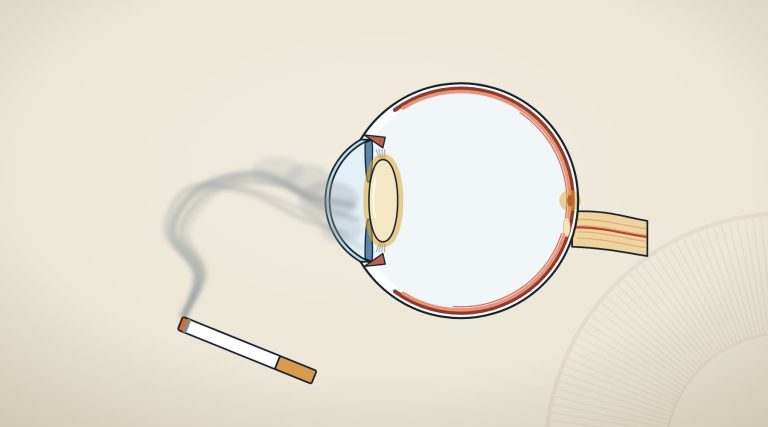
Smoking and eyes: macular degeneration, cataract, thyroid and dry eye
The damage smoking does to lungs and heart is well known, much less so the damage to the eyes. What studies say about macular degeneration, cataract,…
-

Solar eclipse: how to watch it without damaging the retina
During an eclipse the Sun seems gentler, but its light can leave damage on the retina that does not hurt. What doctors have seen after the…
-

What to eat for your eyes: foods, lutein, omega-3 and the evidence
Mediterranean diet, leafy green vegetables, fish: what European studies say about the link between food and macular degeneration, and why a supplement is not the same…
-

Computer eye strain: the 20-20-20 rule and the rest of the evidence
Burning eyes, blurring lines, a headache at the end of the day. Why screens tire the eyes, what studies say about breaks and the 20-20-20 rule,…