
The European eye health magazine
Your eyes, explained with the evidence.
Glaucoma, macular degeneration, dry eye, short-sightedness in children, screens and sunlight: what we really know, what we don’t, and where to find the evidence. Every article cites its studies, with links so you can read them.
- 115articles
- 889studies cited
- 5languages
Latest articles
-

Sudden blurred vision: possible causes and when it is urgent
Dry eye, changing blood sugar, but also retinal detachment or a stroke: sudden hazy vision has very different causes. The questions that help work out how urgent it is.
-

Pterygium and pinguecula: the sun and that spot on the white of the eye
A small yellowish spot or a wing of tissue advancing towards the cornea: pinguecula and pterygium are benign growths linked to the sun. How…
-

High eye pressure without glaucoma: what it means
It is called ocular hypertension and usually causes no symptoms. What an American and a European study found by following thousands of people with…
-

Eye twitching: the causes and when it goes away
That flutter under the eyelid that comes and goes for days is one of the most common minor complaints, and one of the least…
-
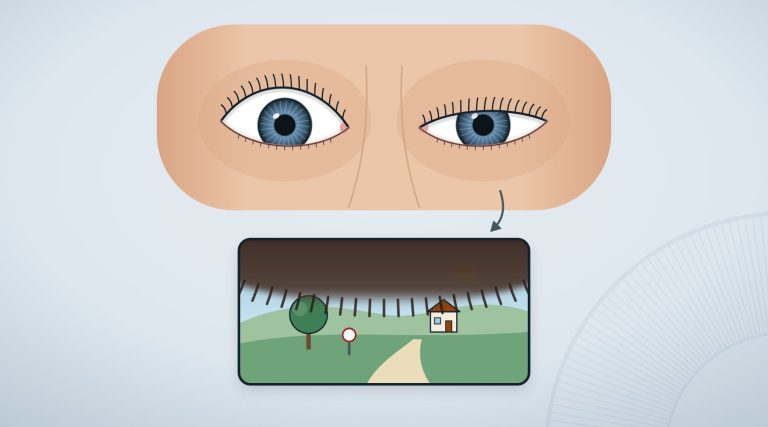
Drooping eyelid (ptosis): causes and when surgery is needed
A drooping eyelid can come from age, contact lenses or a problem of the nerves and muscles. The causes of ptosis, when it is…
-
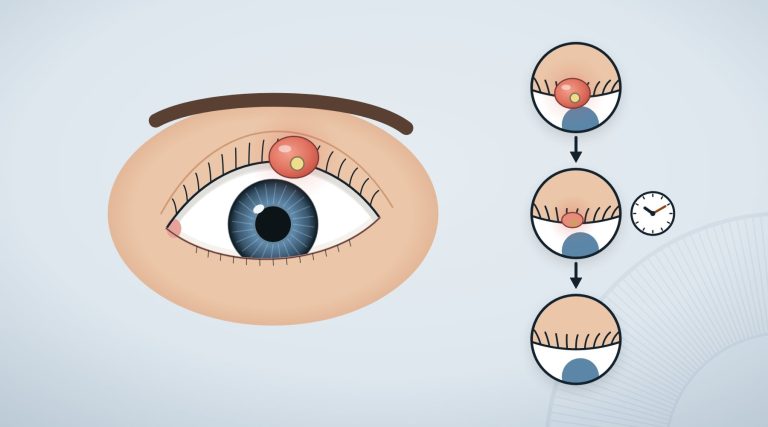
Stye: what it is, how long it lasts and what the studies say
A red, painful swelling on the edge of the eyelid. What a stye is, how it develops, why it is better not to squeeze…
-

Dry eye: symptoms, causes and when it becomes a disease
Burning, grit under the eyelids, lines that blur in front of the screen. What dry eye is according to the TFOS DEWS international reports,…
Our sections
Eight ways into the world of the eye, each with its own iris colour.
- Diseases and disordersGlaucoma, macular degeneration, cataract, dry eye, conjunctivitis and other eye disorders: how to recognise them and what the studies say.
- Seeing clearlyShort-sightedness, presbyopia and astigmatism; glasses, contact lenses and refractive surgery, with the evidence in their favour and its limits.
- Prevention and lifestyleSunlight, screens, smoking, diet, sport and work: the habits that matter for your eyes, according to the evidence.
- Children's eyesFrom birth to school age: eye checks, short-sightedness, lazy eye, squint and screens, with what the studies indicate.
- From the researchThe discoveries and studies that are changing ophthalmology, told with their numbers and their limits.
- Eyes and healthDiabetes, blood pressure, thyroid, pregnancy, medicines: what the rest of the body tells the eyes, and vice versa.
- Examinations and testsWhat happens during an eye examination, and what OCT, visual field tests, tonometry and other tests are for.
- True or falseCarrots, blue light, reading in the dark, glasses that make your eyes ‘lazy’: widely held beliefs put to the test of the studies.
Diseases and disorders
-

Sudden blurred vision: possible causes and when it is urgent
Dry eye, changing blood sugar, but also retinal detachment or a stroke: sudden hazy vision has very different causes. The questions that help work…
-
Pterygium and pinguecula: the sun and that spot on the white of the eye
A small yellowish spot or a wing of tissue advancing towards the cornea: pinguecula and pterygium are benign growths linked to the sun. How…
-
High eye pressure without glaucoma: what it means
It is called ocular hypertension and usually causes no symptoms. What an American and a European study found by following thousands of people with…
Children’s eyes
-

What can a newborn see? How eyesight is built in the first years
At birth the eyes are there, but vision is still a building site. How it matures together with the brain, what the checks in…
-

Squint in babies and children: when to worry
An eye that now and then ‘slips’ in the first months, a false squint caused by the shape of the face, a true squint…
-
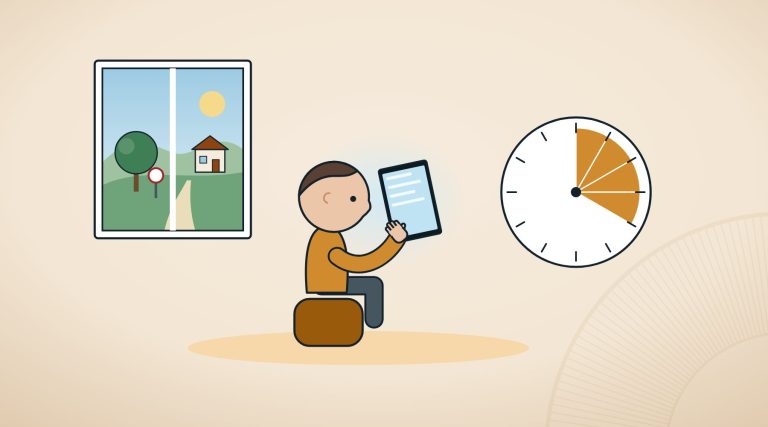
Children and screens: what the studies say about the effects on eyesight
Tablet, phone, television: how much do they really weigh on children’s eyes? What studies say about screens and myopia, dry and tired eyes, blue…
Know this first
When to see an eye doctor straight away
Some symptoms are not for reading up on: they need to be seen the same day. If you have any of them, call 112 or go to an emergency department (A&E).
- Sudden loss of vision, even if it comes back on its own
- Flashes of light, a shower of new floaters, or a shadow like a curtain
- A red, very painful eye, with nausea or haloes around lights
- An injury, a chemical splash or a foreign body in the eye
- Sudden double vision, a drooping eyelid or pupils that suddenly differ in size
112
The single European emergency number: free to call from any phone, in every country of the European Union.
Prevention and lifestyle
-

Sport and eyes: the most common injuries and how to prevent them
A shuttlecock full in the face, a squash ball, a football kicked from close range: eye injuries in sport are frequent and largely avoidable.…
-
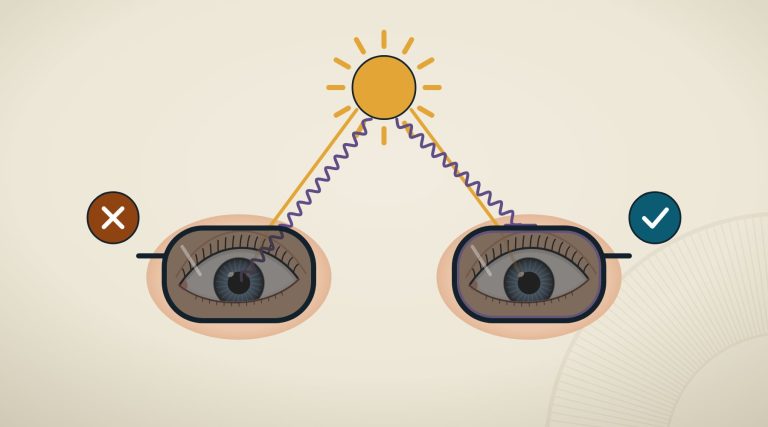
Sunglasses: categories, UV filters and polarised lenses, and what really protects
A dark lens is not necessarily a lens that filters ultraviolet rays. What studies say about the sun and the eyes, how to read…
-

Coloured and cosmetic contact lenses: the risks
They change eye colour for a party or a photo, but they are still contact lenses. What studies have found about corneal infections in…
From the research
-

Gene therapy for inherited retinal diseases: where we stand
Since 2018 Europe has had a gene therapy for a form of retinal dystrophy linked to a single gene. What the studies have shown,…
-

Stem cells for the cornea: the therapy born in Italy
From the first two patients treated in the 1990s to the first stem cell therapy authorised in the European Union: the story of limbal…
-
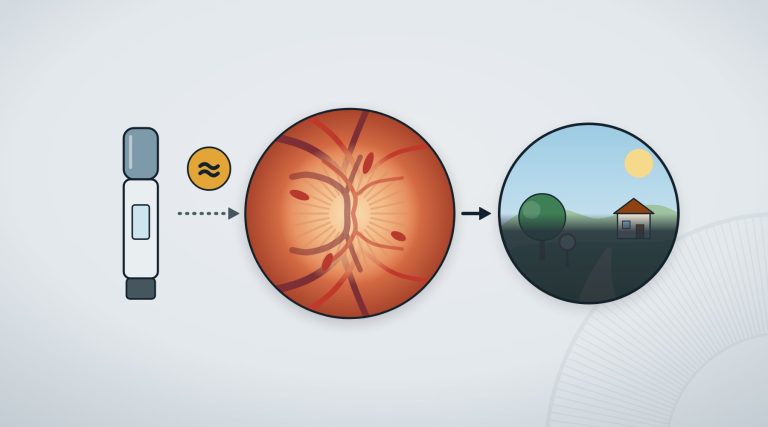
Semaglutide and vision: what is known about the risk of NAION
Some studies have linked semaglutide to sudden damage to the optic nerve, others have not. What the meta-analyses say, how large the risk is…
Our method
Evidence, not opinion
We start from the evidence
Systematic reviews, guidelines and clinical trials come first; we always say what kind of study we are describing and how solid it is.
Every source is open to you
At the end of every article you will find the numbered sources, with links to PubMed and to the original text. Citation details come from PubMed, not from notes.
Information, not consultations
We do not give medical advice or recommend medicines or products. Decisions about your eyes are made with your ophthalmologist: we help you go in well prepared.